Are Flight Cancellation and Delay Just an Insurance Sales Pitch—or Truly Helpful in Emergencies?
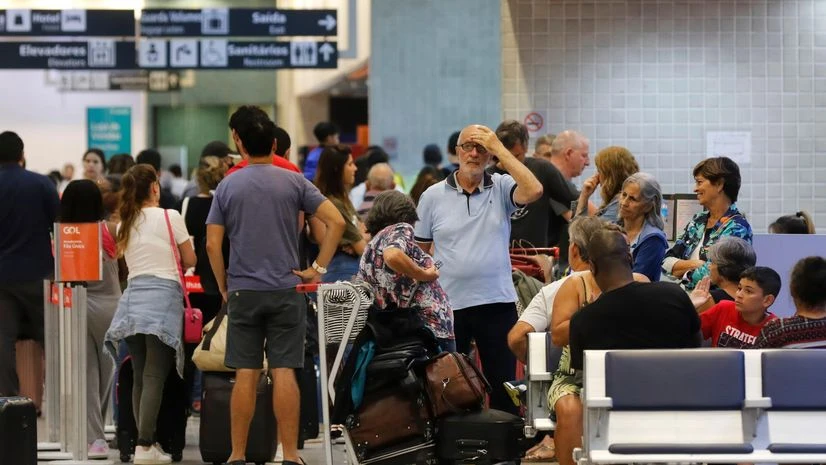
If you’ve ever had a flight cancelled or delayed, you already know how stressful, confusing, and expensive the situation can become. With airport prices skyrocketing and schedules tightly packed, even a one-hour delay can create a ripple effect of missed connections, extra expenses, and anxiety.
In such moments, travelers often wonder:
“Are cancellation and delay covers just an insurance sales gimmick, or do they actually help when you need them?”
The reality: Yes, these covers genuinely help, but only if you understand the terms and conditions—and that’s where most people get stuck.
Let’s break down what airlines offer, what OTAs (Online Travel Agencies) provide, how travel insurance works, and when these benefits can really save you.
Flight Delays & Cancellations: Do Passengers Actually Get Compensated?
Passengers do receive compensation during cancellations and certain delays—but conditions apply. Airlines often refund or compensate for:
-
Meals and refreshments
-
Hotel accommodation (based on delay duration)
-
Transport for rebooking
-
Cost of alternate flights (in select cases)
However, every airline calculates “delay” differently (e.g., gate time vs. runway time), which can determine whether you’re eligible for compensation.
Tip: Always preserve food bills, UPI screenshots, and boarding passes. These serve as essential proof when requesting refunds or filing insurance claims.
Delays at airports can become urgent, especially at odd hours. Responsible airlines frequently update passengers and may offer hospitality, but not all do. Hence, knowing your rights—and your coverage—is essential.
How Airlines Handle Flight Cancellation
India’s aviation regulator, the DGCA, recently proposed a rule requiring airlines to provide a 48-hour “Look-in Option”—a risk-free window to cancel or modify flights without extra charges. The jury is still out, but if approved, it will strengthen passenger rights.
Meanwhile, cancellation charges differ across airlines. For example:
IndiGo’s Cancellation Charges (Current Example)
-
Within 3–24 hours before departure: ?4,999
-
Within 72 hours and beyond: ?3,999
-
Flight change fee: ?2,999 (for both 3–72 hours and 72+ hours)
IndiGo’s Zero Cancellation Plan
IndiGo offers an optional zero-cancellation plan (from ?500) in partnership with Liberty General Insurance.
What it covers:
-
Ticket value up to ?5,000
-
Applicable if you cancel at least 24 hours before departure
What it doesn't cover:
-
Flight delays
-
Rescheduling
-
Same-day cancellations
This highlights a crucial point:
Airline cancellation coverage is limited and primarily focuses on fare refunds—not delay-related costs.
How OTAs Like MakeMyTrip Handle Flight Cancellation
MakeMyTrip’s Zero Cancellation option is popular for domestic flights.
Here’s what it offers:
? What’s Covered
-
Complete waiver on cancellations
-
Valid for select domestic flights
-
Refund only if booked 24 hours before departure
-
Includes service fee for cancellation processing
? What’s Not Covered
-
Last-minute deals
-
Promotional fares
-
Rebooking or flight rescheduling
-
Flight delays
Just like airlines, OTAs don’t offer delay compensation under these plans.
So, Do You Really Need Travel Insurance?
In most cases—yes, especially for frequent travelers or anyone taking connecting flights.
“Flight cancellation coverage is no longer a luxury; it is a core travel-insurance benefit,” says Manish Dodeja, COO, Care Health Insurance.
What Travel Insurance Covers (Depending on Plan)
-
Flight cancellation
-
Flight delay (meal/hotel refunds)
-
Missed flight
-
Missed connections
-
Loss of baggage
-
Hospitalization abroad
-
Passport loss
-
Trip interruption due to emergencies
Unlike zero-cancellation offers, travel insurance provides a wider safety net.
The Fine Print: When Does Travel Insurance NOT Pay?
This is where misunderstandings happen.
Travel insurance policies have detailed exclusions, and insurers must list every scenario as per IRDAI regulations.
Examples include:
-
Delay not documented by the airline
-
Claims without timing proof
-
Delays due to passenger negligence
-
Travel against medical advice
-
Losses already compensated by the airline
Acko’s policy, for example, requires:
-
Written proof from the airline about the delay duration
-
Evidence if the delay is not publicly available online
Meet Kapadia, Head of Travel Insurance at Policybazaar, warns:
“Looking only at benefits is like reading just half the policy. Exclusions are equally important.”
Reading policy wording may be tedious, but it prevents rejected claims later.
So, Are Flight Cancellation & Delay Covers Worth It?
? Yes, they’re valuable when used correctly.
Here’s why:
-
Airline delays are common
-
Airport food and hotel stays are expensive
-
Medical emergencies disrupt travel
-
Connecting flights often get missed
-
Last-minute flight costs are high
But there's a catch:
? You must understand:
-
Coverage duration
-
Eligibility conditions
-
Required documents
-
Exclusions
If you travel even twice a year, the cost of a small travel insurance plan is far less than what you might spend during a single delay or cancellation.
Final Takeaway
Flight cancellation and delay covers are not just insurance sales pitches. They’re essential tools that protect travelers from unpredictable situations. However, the real value lies in understanding:
-
What airlines offer
-
What OTAs provide
-
What travel insurance covers
-
What exclusions exist
Always read the policy wording—even just the highlights—and save every proof of delay.
Smart travelers aren’t just covered—they’re informed.
Disclaimer
This article is intended for general informational purposes only. Readers should not treat it as legal or financial advice. Always refer to airline policies, insurance wording, and expert advice before making decisions.
Disclaimer: This article is for informational purposes only and does not constitute financial or insurance advice. Insurance products are regulated by the Insurance Regulatory and Development Authority of India (IRDAI). Policy terms, premiums, and coverage vary by insurer. Please consult a licensed insurance advisor before purchasing any policy. Read our full disclaimer →